Rural Grocery and Food is Medicine
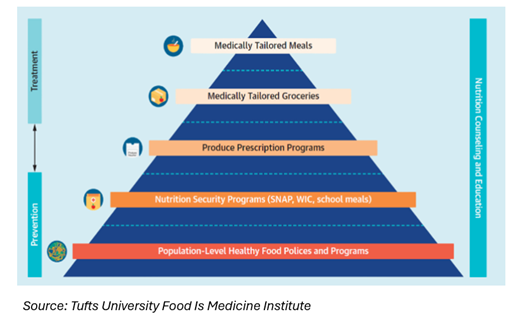
Food is Medicine (FIM) represents immense opportunity for rural grocers. Food is Medicine includes programs like SNAP and WIC, as well as Double Up Food Bucks, Healthy Benefit Cards, produce prescriptions, medically tailored groceries, and medically tailored meals. Food is Medicine is unique because of its nexus with the healthcare system, meaning that healthcare providers view Food is Medicine interventions as effective strategies for addressing health concerns (i.s. diabetes, hypertension, etc.)
In 2025, in partnership with The Sunflower Foundation, the Rural Grocery Initiative conducted a research study to learn more about this topic. Kansas Rural Grocers were asked to respond to the survey, share about their understanding, interest and capacity in implementing Food is Medicine in their stores.
Key Takeaways from this project include:
- Rural Grocers have greatest interest in implementing Healthy Benefit Cards and Produce Prescriptions (PRx)
- Additional support (staffing, education) and infrastructure (kitchen, storage) is needed, particularly to implement Medically Tailored Groceries and Medically Tailored MEals
- There is room for partnership development (connections to health clinics and other supporting organizations)
Opportunities like K-State Extension's Simply Produce program, the new Rural Health Transformation Program, and more are positioned to leverage rural food infrastructure to lift up rural community health.
You can learn more about Food is Medicine by visiting the Tufts University Food is Medicine Institute website or the Sunflower Foundation website.
You can also watch a recording of a webinar that our Rural Grocery Initiative team participated in to share an overview of the role of grocers in Food is Medicine by clicking on the image below. This webinar was hosted by Hunger Free Kansas as part of their Foundations of Food is Medicine Learning Series. The webinar focused on the role of producers, processors, and grocers in Food is Medicine.